Pages

Showing posts with label Job's tear 薏米. Show all posts

Saturday, March 21, 2020

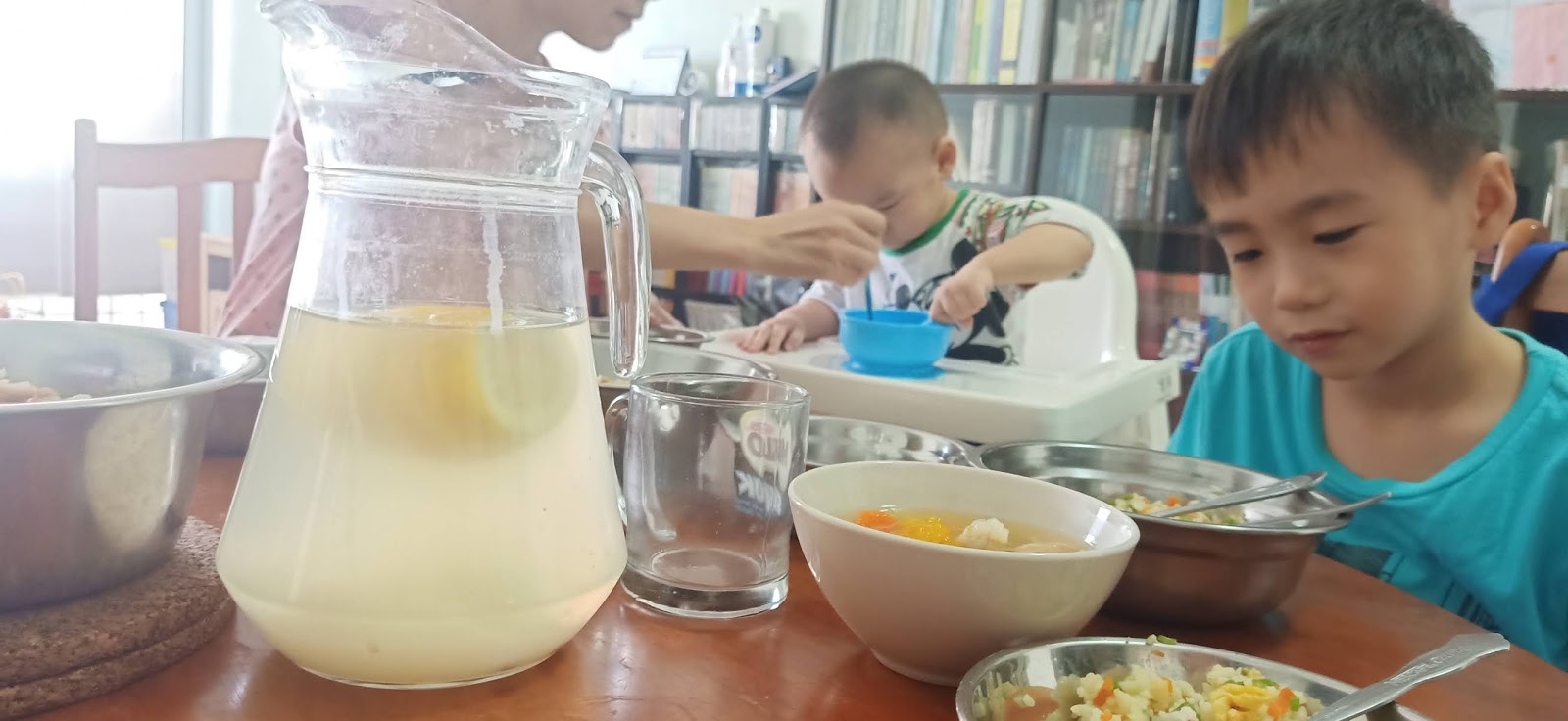
薏米柠檬水

外面风头火势,一点点就风吹草动。

咳一声,便人心惶惶。


来一大大杯薏米柠檬水呗。


Sunday, March 16, 2014

怀孕饮食忌宜 – 薏米


薏米 ( Coix lacryma-jobi  ),又名薏仁、苡仁,是属禾本科( Family : Poaceae ),薏仁屬 ( Genus : Coix )。原产于东亚地区,在中国分布广泛种植。


中药

东汉·佚名撰《神农本草经》
味甘微寒。
主筋急,拘挛不可屈伸,风湿痹,下气。久服轻身益气。其根下三虫,一名解蠡。生平泽及田野。
《名医》曰:一名屋菼,一名起实,一名赣,生真定,八月采实,采根无时。
案《说文》云:薏,薏苢,一曰英,赣,一曰薏苢;《广雅》云:赣,起实,目也,吴越春秋,鲧娶于有莘氏之女,名曰女嬉,年壮未孳,嬉于砥山,得薏苡而吞之,意若为人所感,因而妊孕,后汉书马援传,援在交趾,常饵薏苡实,用能轻身省欲以胜瘴,薏,俗作薏,非。

宋·苏顷等编撰《本草图经》
薏苡仁,生真定平泽及田野今所在有之。春生苗,茎高三、四尺;叶如黍;开红白花作穗子;五月、六月结实,青白色,形如珠子而稍长,故呼意珠子。小儿多以线穿如贯珠为戏。八月采实,采根无时。今人通以九月、十月采,用其实中人。古方大抵心肺药多用之。韦丹治肺痈,心胸甲错者,淳苦酒煮薏苡仁令浓,微温顿服之。肺有血当吐愈。《广济方》治冷气,薏苡仁饭粥法∶细舂其人,炊为饭,气味欲匀如麦饭乃佳,或煮粥亦好,自任无忌。根之入药者,葛洪治卒心腹烦满。又胸胁痛者,锉根浓煮汁,服三升乃定。今人多取叶为饮,香溢中空膈,甚胜其杂他药用者。张仲景治风湿身烦疼,日晡剧者,与麻黄杏仁薏苡仁汤。麻黄三两,杏仁三十枚,甘草、薏苡仁各一两,四物以水四升,煮取二升,分温再服。又治胸痹偏缓急者,薏苡仁附子散方,薏苡仁十五两,大附子十枚炮,二物杵末,每服方寸匕,日三。

明·李时珍著《本草纲目》
释名:解蠡、芑实、莘米、回回米、薏珠子。
气味:(仁、根)甘、微寒、无毒
主治:风湿身疼、水肿喘急、沙石热淋、消渴、肺痿咳嗽、痈疽不溃、虫牙痛、疝疾、黄疸、杀蛔虫、月经不通、牙齿风痛。

明·杜文燮撰《药鉴》
气微寒,味甘平,无毒。主筋急拘挛,风湿痹,除筋骨邪气不仁。肺痈脓血,干湿肺气。

丹溪曰,寒则筋急,热则筋缩,急因于坚强,缩因于短促,是热与寒未尝不挟湿而成,然外湿非内湿有以启之,亦不能成。至湿之病,或因酒面为多,而鱼肉继成之。若烧炙香辛坚硬之物,皆致湿之因也。孕妇所禁。

 清·张璐著《本经逢原》
薏苡甘,升少降多,能清脾湿,祛肺热及虚劳咳嗽。肺痿肺痈,虚火上乘,皆宜用。为下引又能利筋去湿,故《本经》治久风湿痹,拘急不可屈伸之病。盖治筋必取阳明,治湿必扶土气,其功专于利水,湿去则脾胃健,而筋骨利、痹愈,则拘挛退,而脚膝安矣。然痹湿须分寒热,盖寒则筋急,热则筋缓,大筋受热,弛纵则小,筋缩短而挛急不伸,故宜用此。若因寒筋急而痛者,不可用也。其治虚人小便不利,独用数两,水煎数沸服之即通。若津枯便秘,阴寒转筋及妊娠禁用,以其性专下泄也。取根捣汁,治蛔攻心痛。生根下三虫。又肺痈,以根汁冲无灰酒服,初起可消,已溃可敛,屡效。

清·叶桂撰《本草经解》
苡仁气微寒.禀天秋金之燥气.入手太阴肺经.味甘无毒.得地中平之土味.入足太阴脾经.气降味和.阴也.经云.湿热不攘.则大筋软短而拘挛.苡仁气微寒.清热利湿.所以主筋急拘挛不可屈伸也.久风.长久之风也.风淫则末疾.所以手足麻木而湿痹生焉.苡仁甘寒.其主之者.甘以行之.寒以清之也.微寒.禀秋金之燥气而益肺.肺气治则下行.故主下气.久服轻身益气者.湿行则脾健而身轻.金清则肺实而气益也.

2010《中华人民共和国药典》
性味:甘、淡,
归经:归脾、胃、肺经。
功能主治:健脾渗湿,除痹止泻,清热排浓。用于水肿,脚气,小便不利,湿痹拘挛,脾虚泄泻,肺痈,肠痈;扁平疣。


营养&药效

薏米含丰富维生素B3 ( niacin )B1E,纤维,蛋白质,矿物质钼( molybdenum )、锰( manganese )、硒( selenium )、铜( copper )、铬( chromium )、磷( phosphorus) 、镁( mangnesium ) 。薏苡素( coixol )有镇静、降温解热、镇痛等作用。除此之外,薏米还有有防癌抗癌、促进新陈代谢、降低血糖、美白肌肤等作用。

薏米营养价值高,有誉为“世界禾本科植物之王”,在中国也有“天下第一米”的美誉。


Ongzi 的结论

1、孕妇禁吃薏米,本草确有记载,并非民间以讹传讹。
2、本草记载不一,甚至互相矛盾。
3、薏米营养价值高,是公认的养生食物。

Monday, July 11, 2011

薏米水 Job's Tears Drink


Bring to boil some 100g of Job's tear in 4 liter of water, then simmer for about 1 hour.  By then, the water had been reduced to half of the original volumn.
 
Add in more water to compensate the losses.  Bring to boil again.  Add about 7 table spoon of sugar.
 
The grains can be consumed together.  I prefer to blend it... easier to gulp it down...
 
Serve hot or chilled... with a slice of lemon, or not.

Saturday, November 27, 2010

红薏米水 Red Barley Drink


Sometime ago, at Broga town, I encountered red coloured barley drink.  ( not exactly red, purplish to be more exact )

I believe it to be coloured with leaves of Rhoeo discolor ( 蚌花 ), a herb of the Commelinaceae family, native to tropical Americas.  It is also called Tradescantia spathacea.  More commonly known as “Moses-in-the-Cradle”

The leaves are about 30 – 40 cm long, green upper surface with purplish lower surface.  The white flowers with boat-shaped bract suggest their name “Moses-in-the-Cradle”..


In Mexico it is used in alternative medicine to treat cancer, but there are not concrete scientific reports that validate their antitumuiral property.  Some study however suggested the extract of Rhoeo discolor decrease the formation of liver preneoplastic foci in rats.

The Chinese somehow seems to think it has cooling property, thus incorporated it into barley drink.  It taste funny though.

Saturday, November 13, 2010

Barley Drink 薏米水


Job’s Tears 薏米 ( also known as 薏苡仁、苡仁、薏仁、白薏仁, coixseed ) are grains of Coix lacryma-jobi  ( 川谷薏苡) of the family Poaceae native to East Asia.     

Jobs Tears are misleadingly, sold as Chinese pearl barley in Asian markets, despite the fact that they are not the same genus as barley ( Hordeum vulgare )

There are 2 varieties grown : Coix lacryma-jobi var. lacryma with hard shelled pseudocarps which are very hard, pearly white, oval structures used as beads for making rosaries, necklaces, etc ; and Coix lacryma-jobi var ma-yuen which are used as cereal and for its medical properties in parts of Asia.


In Chinese culture, Jobs Tears is commonly cooked in sweetened water and consumed for its cooling property. 

Many like to cook it with a specialty bean curd, which is cooked till it disintegrated into whitish colloid, similar to soy milk.  I tried to cook this before, but the bean curd seems impossible to break apart. 

I like it simple : with sweetened winter melon, blended and served chilled with a slice of lemon.